I wrote three chapters of the new book, then found it was starting out as a Filipino version of my Africa book - In fact- a true story of my life 1992-2002.
Unfortunately, the Africa book has been highly unpopular. And I've now hit a description of leukemia treatment - something that could be even more unpopular with the reading public. So we are looking for a restructure here.
I also wrote a couple of associated short stories set in the Philippines. for giveaways- one about a Big Fat Rat in a cinema , another about a visit to a waterfall that had featured in several war movies. And I fixed up an old story of mine called "Girls Car" about working on three wheat bins in WA, 1968-9, and sent it to a competition. Plus I started contributing to a monthly poetry competition called "Silverquill" mostly to find out what others are writing. Same old, with a few "modern multimedia" efforts - poems artfully describing puddles of water and swimming pools under mango trees. These are successful, while anything describing pain and emotion is out.
I also read a book, a 1996 Australian bestseller by Sue Woolfe called "Leaning Toward Infinity , mostly because it was (sort of) about mathematics. It contained an extraordinary amount of lyrical metaphor and nested reminiscence, to the point the plot and characters were somewhat obscured. I'm rather surprised the public went for something so complex, but perhaps things were different then. I wrote reviews for Amazon and Goodreads calling it "bold". Which has made Sue happy, since she usually gets "Pretty" or "Hates mathematicians while not knowing any" in reviews.
This book, along with my brother Tom's prize winning novel, were brought back to life by a funded university project aiming to digitise Australian classics and put them in ebooks for lending etc, called the Untapped Project. The project finished about a year ago and ... ahem .. its websites and technical evaluation have already largely disappeared. That's the digital age and archiving for you.
Healthwise - going to gym has pretty much restored my shoulder and elbow which I destroyed while editing "Remembering Dorothy and "Buffalo Gals". However, I started getting minor giddy attacks which half my medical team thinks heralds an an imminent stroke while the others agree with me that it is (much safer) due to inner ear pressure, something I've had since deep-diving in a rock pool in Malta in 1992.
In woe, I have turned back to my true comfort activity, writing papers about DNA haplogroups and trying to scrape up data for analysis. This one is about Haplogroup I1, which suddenly sprang out of nowhere around 2600 BC The descendants of Mr I1, who was probably a fisherman or flint knapper, occupied all of Scandinavia within a few centuries. The haplogroup features strongly in all the "recent" invasions of Britain - the Anglo Saxon and the Viking. About 15% of all British men are paternally descended from Mr I1.
However, having spent time working on the data, I have found something remarkable - you can actually identify "Nordic DNA" which mixed into its current format 4000 years ago. Given all the nonsense that has been pumped out not only by DNA companies trying to get sales, but by academics who really ought to know a whole lot better, this may not surprise you. But in fact it is pretty rare that somewhere should be sufficiently isolated that its DNA is truly distinctive. Britain isnt. Nor just about anywhere else.
And the people who are showing up as starting out "Nordic:" are going to give you a big surprise.
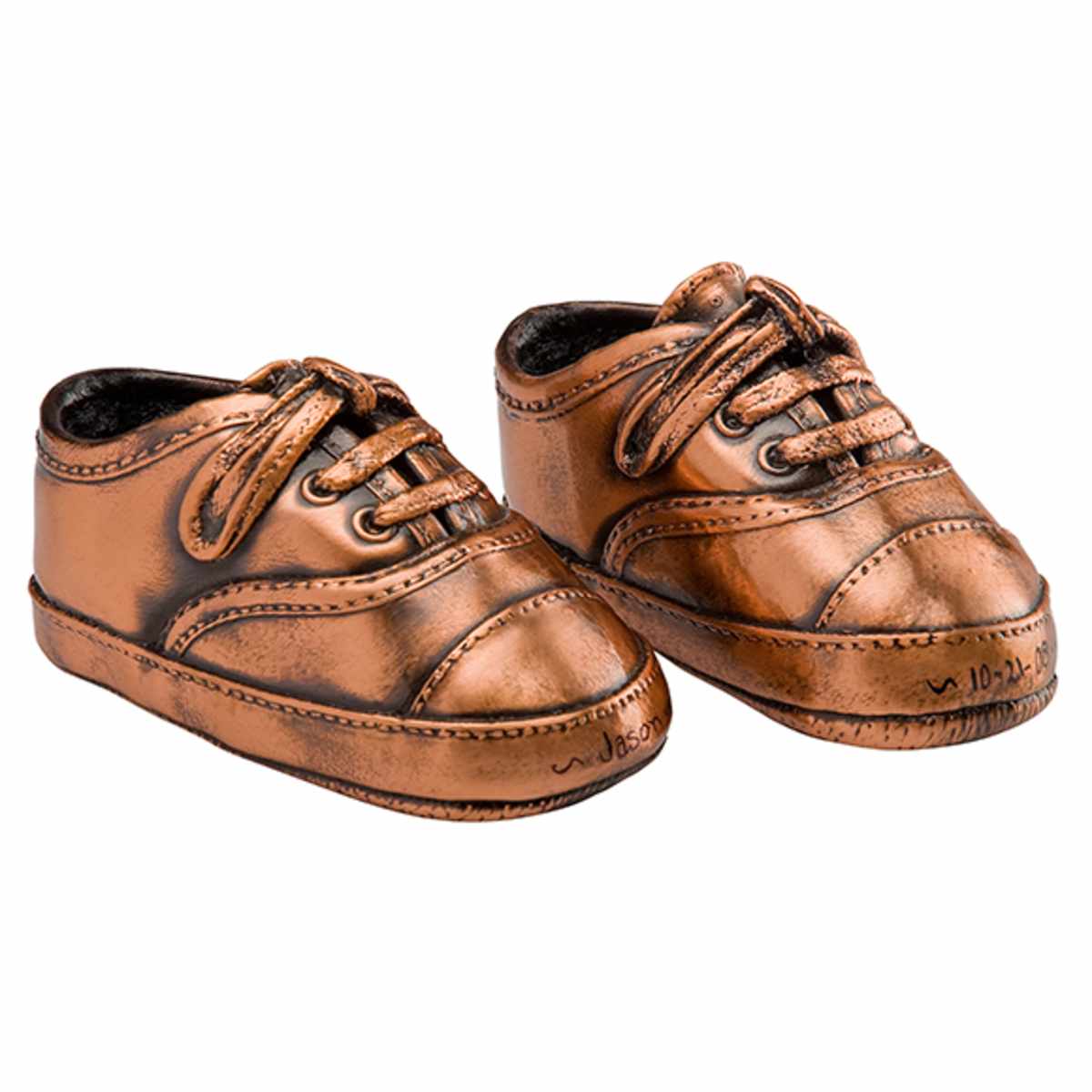
In the more "literary" activities I have whipped together a chapbook of my poetry 2014-24, mostly the wilder stuff. I've called it "Cast in Bronze" and put it in for a competition. Unlikely, as these competitions are vastly overloaded with punters trying to get their eternal verse into print.